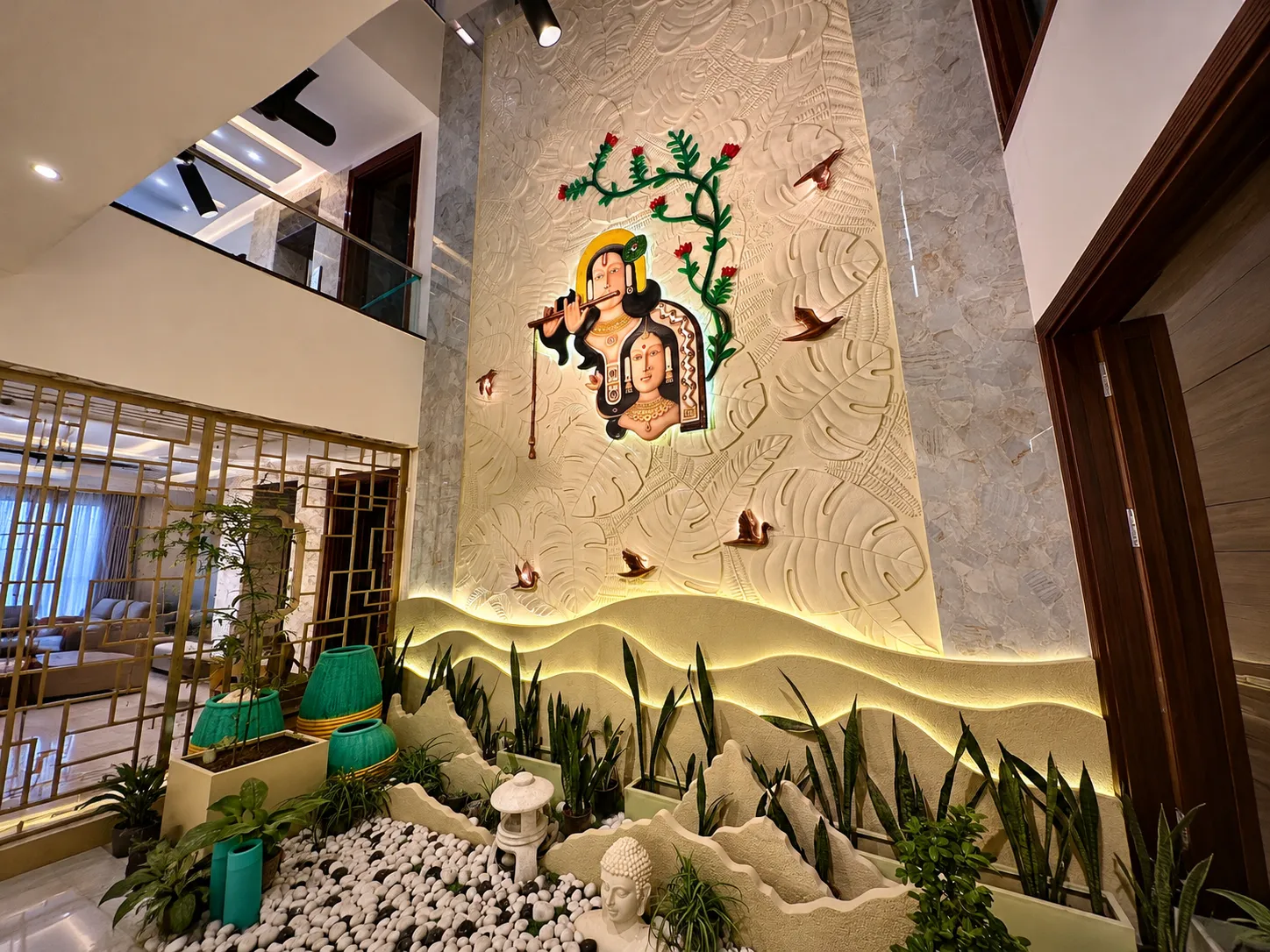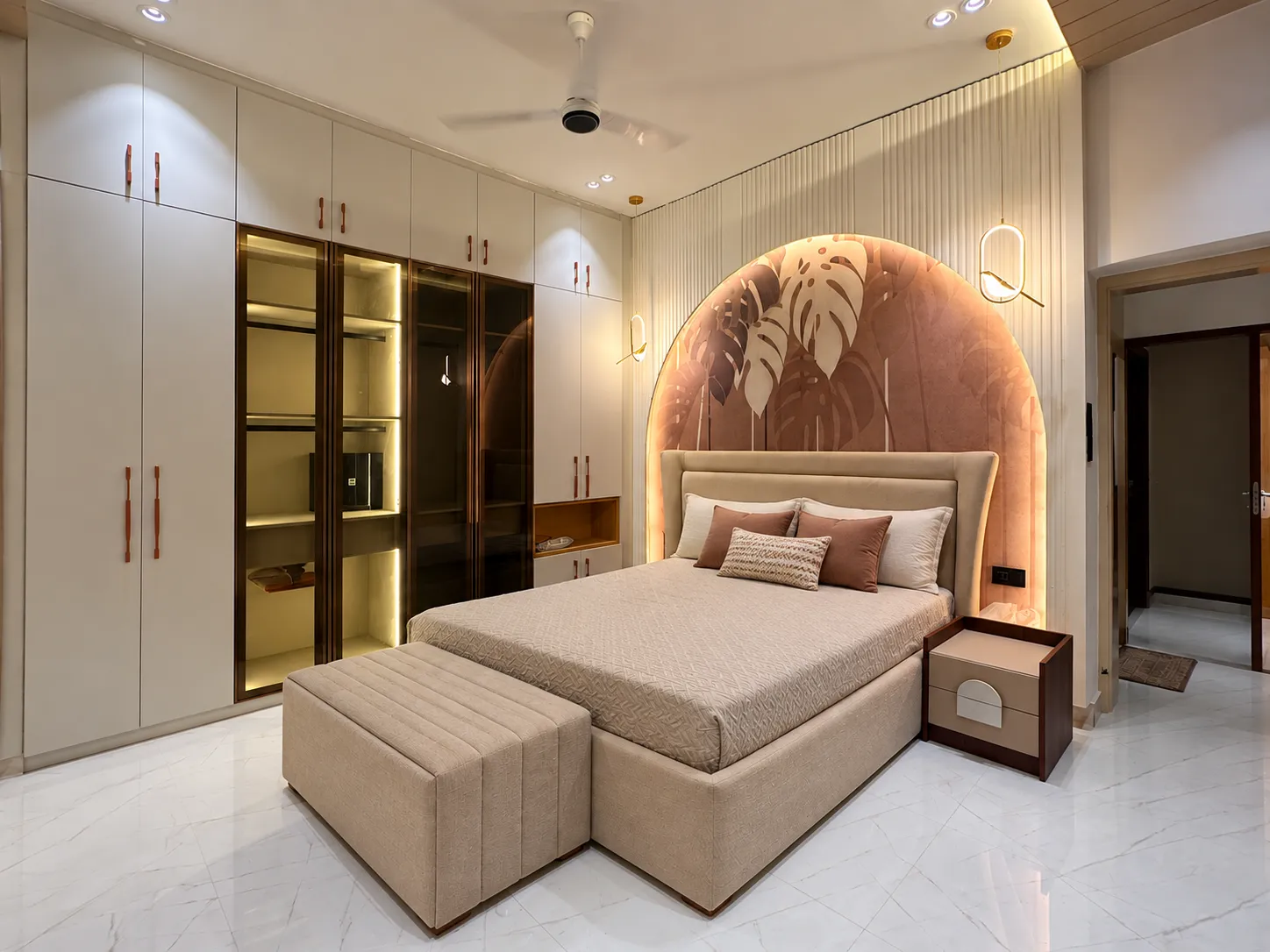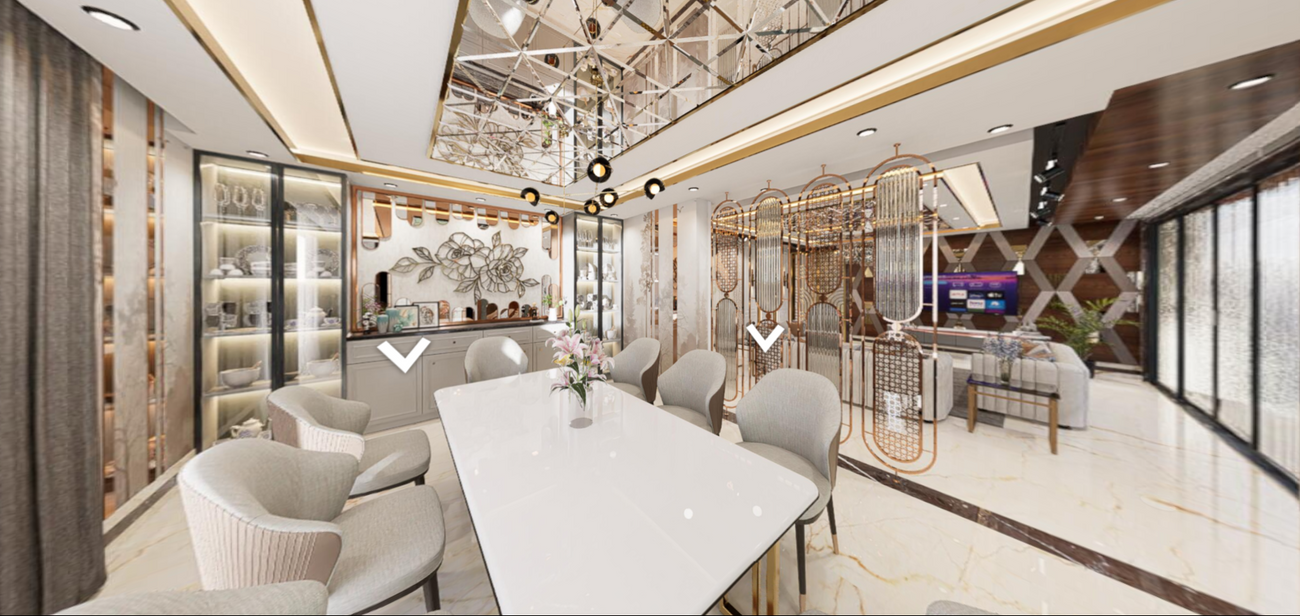
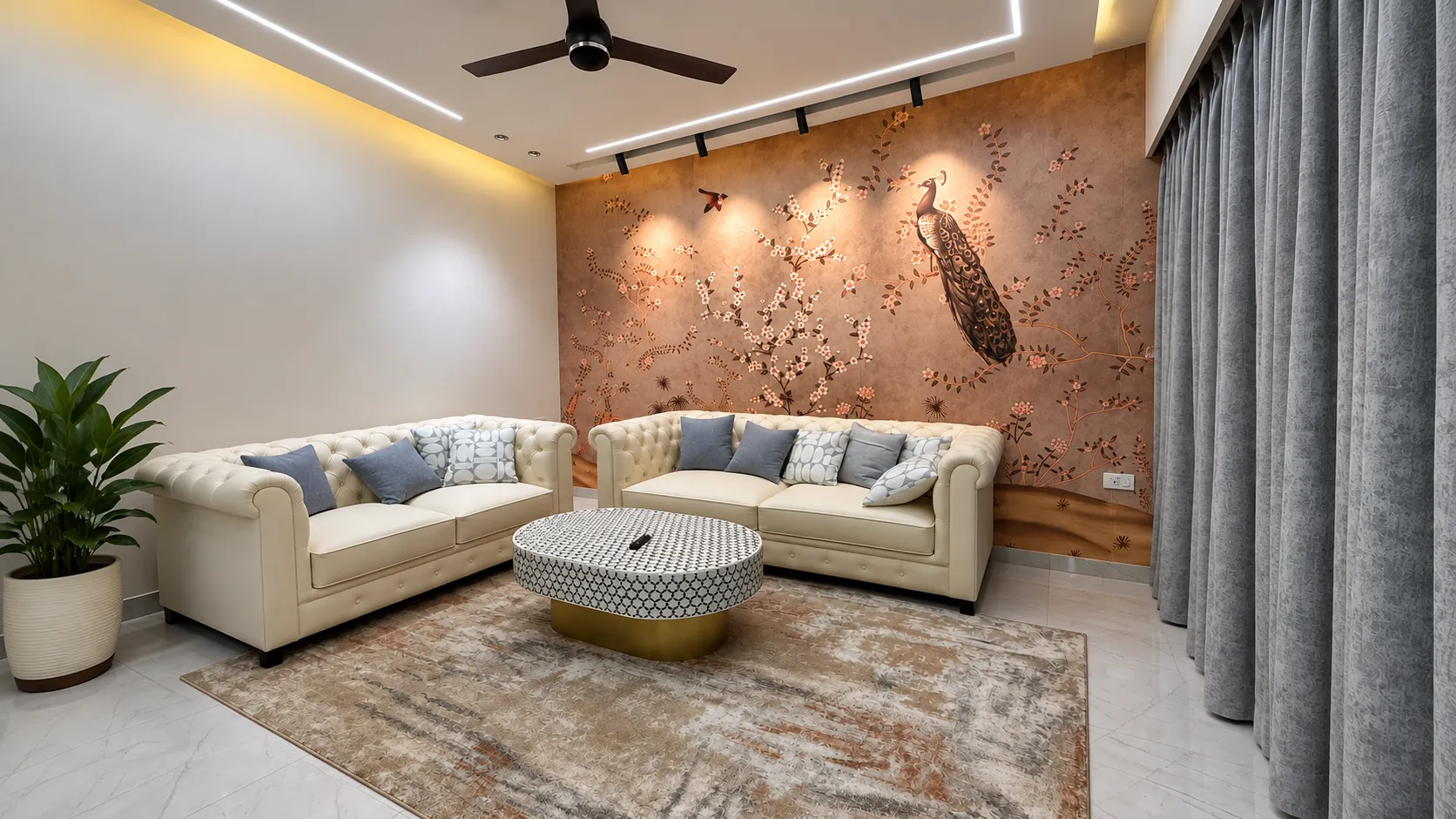
Good design is not always about how much you spend. It is about how thoughtfully you use what you have. There is a common perception that a beautifully designed home requires an equally impressive budget. Expensive materials, designer furniture, elaborate ceilings, and statement lighting are often associated with interiors that look refined and complete. But is that what truly makes a space well-designed?
Not necessarily.
At Archonic, we believe that good design begins with understanding the space, the people who will use it, and the budget available. When these three elements guide the process, beauty and affordability do not have to compete.
1. Start with Planning, Not Purchases
One of the most common mistakes in designing a home is making individual purchases before establishing an overall plan. A sofa is bought because it looks appealing, tiles are selected because they are trending, and lighting is added later to fill the gaps. The result can be a space where the elements do not quite work together, and correcting these decisions often costs more than getting them right the first time.
A clear design plan helps establish priorities before money is spent. It considers how each room will be used, how people will move through it, where storage is needed and how different elements will relate to one another.
2. Spend where it Matters, Save where it Doesn't
Working within a budget does not mean compromising on everything. It means understanding which decisions have the greatest impact on the space and allocating money accordingly.
A useful way to approach a design budget is to divide decisions into three categories:
- Invest: Elements that affect durability, comfort, functionality, or are expensive to replace later.
- Simplify: Features where a clean, well-executed solution works just as effectively as a more elaborate one.
- Add later: Decorative objects, artwork and accessories that can be introduced gradually.
3. Let Materials Do More with Less
A sophisticated interior does not need a large number of materials. In fact, too many finishes, colours and textures can make a space feel visually cluttered, regardless of how much has been spent.
A more considered approach is to work with a limited material palette. Two or three complementary finishes, repeated thoughtfully across different areas, can create a sense of continuity and cohesion. The right choice depends on where the material will be used, how frequently the surface will be handled, and how long it is expected to last.
The goal is not to make every material look expensive. It is to select materials that work well together and are appropriate for their intended use.
4. Design Around Natural Light and Space
Some of the most effective design improvements do not require buying anything at all. They come from making better use of what already exists.
Natural light can make rooms feel more open and welcoming. Thoughtful furniture placement can improve movement. Well-positioned mirrors may help distribute light and create a greater sense of depth. Even the decision to remove an unnecessary partition, where structurally and practically feasible, can transform how a space feels.
In smaller homes, these decisions become especially important. A room that is crowded with oversized furniture or divided into too many zones may feel cramped even when its finishes are expensive. A simpler layout with appropriately scaled furniture and carefully planned storage can make the same room more comfortable and visually balanced.
Before adding another design feature, it is worth asking a simple question: could the space work better with a different arrangement instead?
Sometimes, the most valuable design intervention is not adding more, but removing what is unnecessary.
5. Avoid False Economies
Affordable design should not be confused with choosing the cheapest option at every stage. An initial saving can become an expensive mistake if it leads to poor performance, frequent repairs or rework.
This is particularly relevant to decisions involving waterproofing, electrical planning, plumbing, structural work, and frequently used fittings. These elements may not be the most visible parts of a project, but they have a significant impact on how well a home functions over time.
Similarly, changing a layout after construction has begun, ordering materials without accurate measurements or making repeated design changes on site can increase costs unnecessarily.
Detailed drawings, early coordination and a clear understanding of the scope help reduce avoidable confusion. They also make it easier to compare quotations, plan purchases and identify where spending can be reduced without affecting essential requirements.
A lower initial cost is not always a lower overall cost. Good design considers not just what something costs today, but how it will perform and what it may cost to maintain or change in the future.
6. Choose Timeless Design Over Temporary Trends
Trends can be inspiring, but designing an entire home around what is popular at a particular moment can lead to unnecessary expense. Statement finishes, elaborate wall treatments and highly distinctive decorative features may lose their appeal long before they need replacing.
A more flexible approach is to establish a timeless base through layout, proportions, durable materials and a balanced colour palette. Personality can then be introduced through furniture, artwork, soft furnishings and accessories, elements that are generally easier to update.
This does not mean a home should be plain or lack character. It means creating a foundation that can evolve with the people living in it.
When the fundamentals are right, even modest changes can refresh the space without requiring a complete redesign.
7. Set a Realistic Budget Before Design Begins
A budget is most useful when it is treated as a design input rather than a limitation to be addressed later.
Before starting a project, establish the total amount available and identify what it needs to cover. With this information, design decisions can be made in the right order. Essential requirements can be prioritised, optional features can be evaluated realistically, and alternatives can be explored before commitments are made.
So, Can Good Design Be Both Beautiful and Affordable?
A well-designed space reflects an understanding of proportion, functionality, materials, light, and the people who use it. These qualities do not automatically require expensive products or elaborate details. They require thought, coordination and clarity about what matters most.
At Archonic, we see design as a process of finding the right balance between aspiration, practicality and available resources. Whether it is a new home, an interior renovation or a larger development, the aim is to create spaces that work well, feel considered and remain valuable beyond their initial impression.
Because ultimately, good design is not defined by how much you spend. It is defined by how well every decision comes together.